Why Tehran threatens Trump while pursuing diplomacy
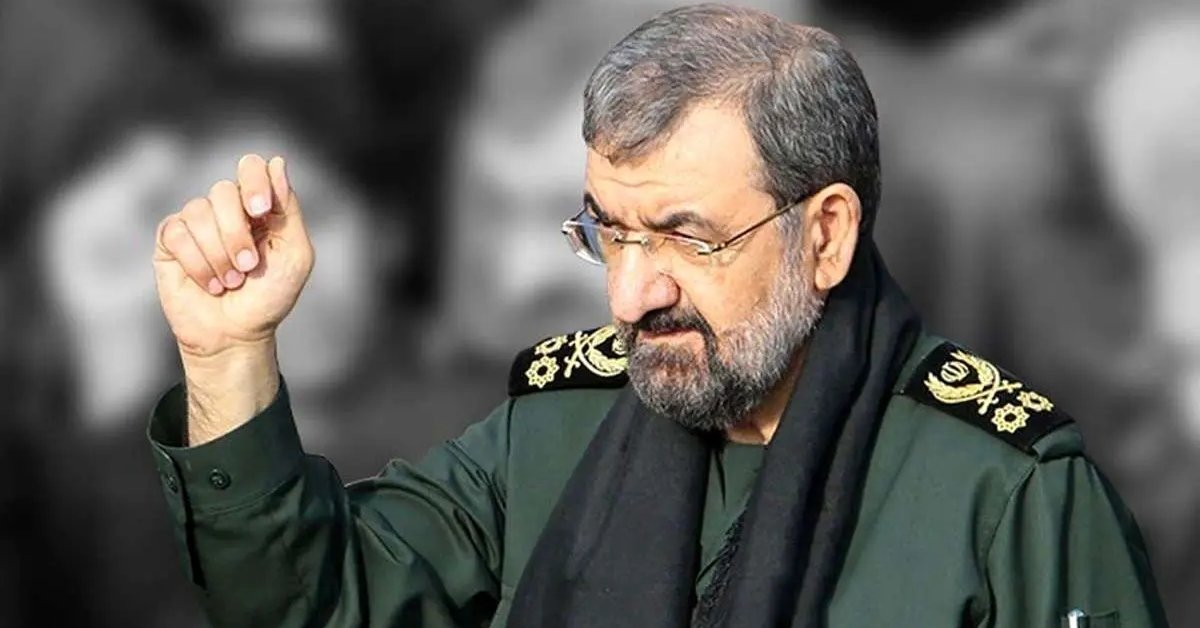
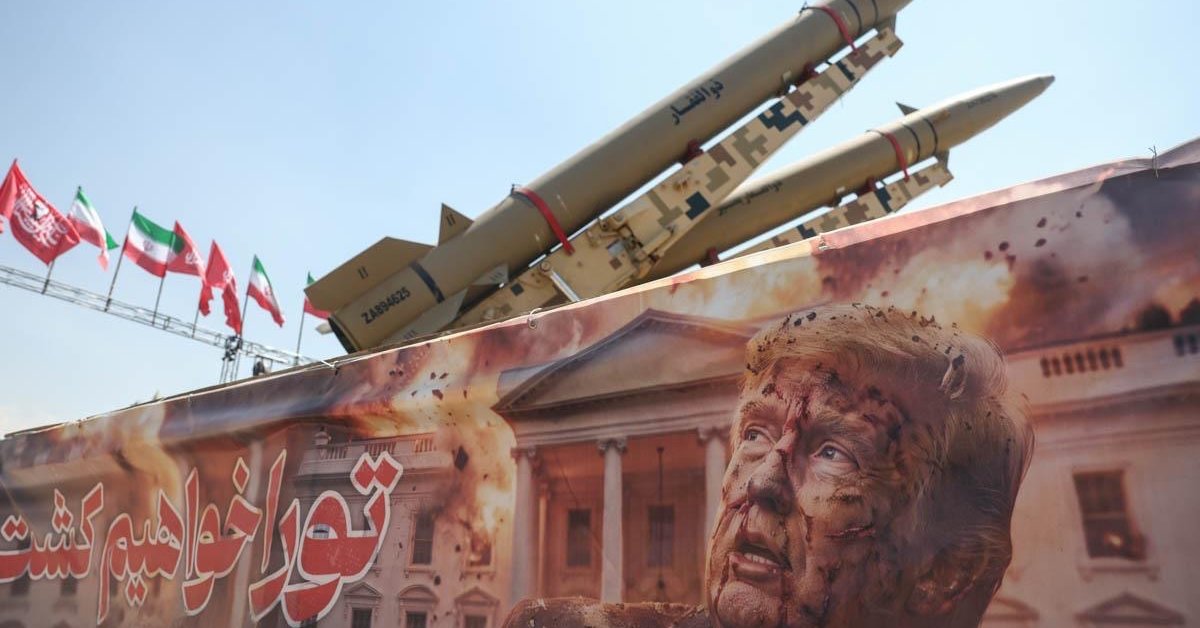
Even as Tehran engages in hardheaded diplomatic maneuvering with Washington, it is advancing a parliamentary proposal offering a €50 million reward for President Trump’s killing.
The competing narratives surrounding the latest US-Iran standoff have become so stark that even basic questions—who is deterring whom, who wants talks and who fears escalation—now produce entirely different answers depending on which capital is speaking.
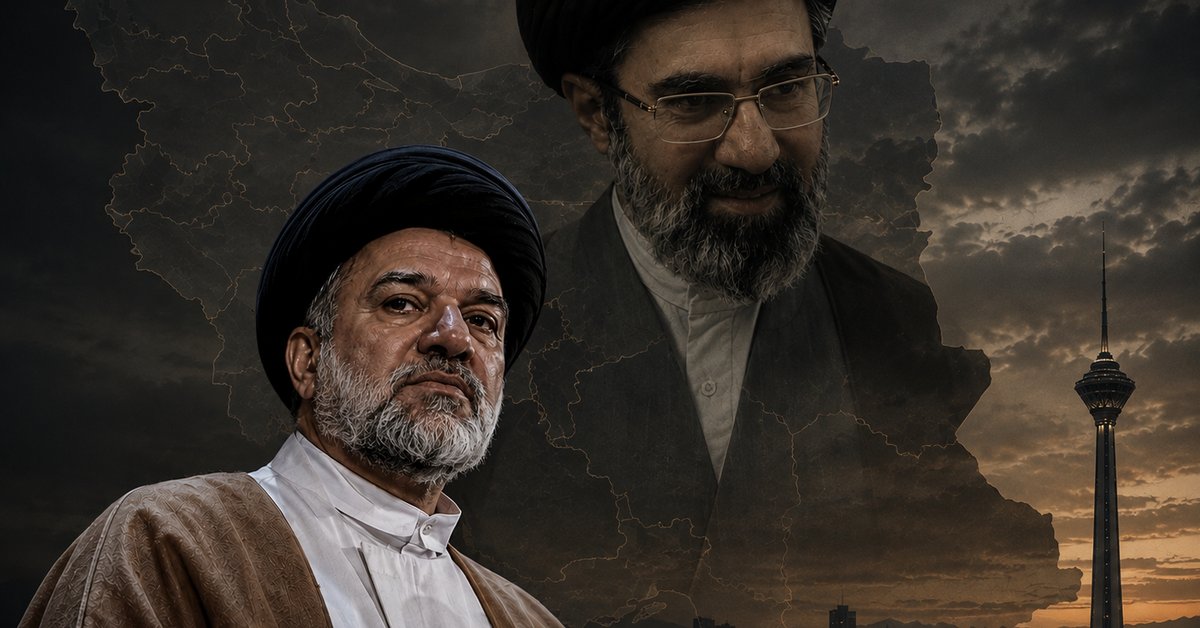
Two years after former president Ebrahim Raisi’s helicopter vanished in fog, Iran has lost far more than a president: its succession plan, regional shield, aura of safety and confidence that time was on its side.
US President Donald Trump said Monday he had halted a strike on Iran planned for Tuesday after Arab states including Tehran’s new foe the UAE urged him to allow more time for talks, even as reports said Tehran’s latest proposal had fallen short of US expectations.
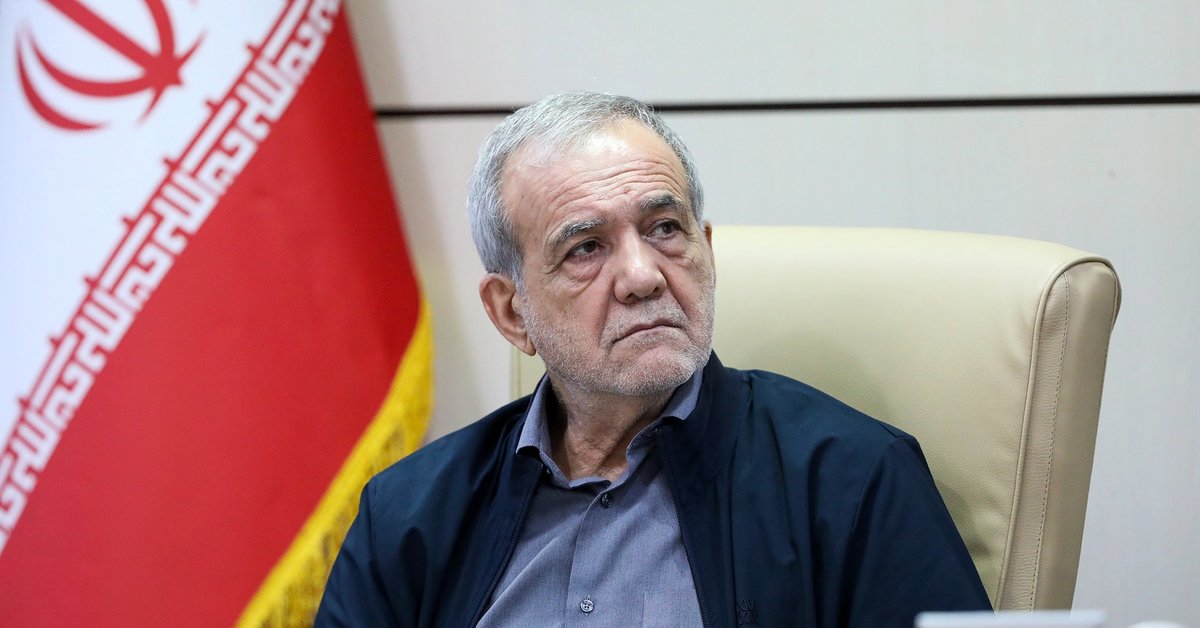
Iran’s president on Monday defended negotiations with the United States as he acknowledged the economic pressure, fuel shortages and war damage facing the country, pushing back against hardliners who oppose further dialogue.
China is showing growing unease over the economic and strategic costs of Iran’s confrontation with the United States, even as it continues to shield Tehran diplomatically at the United Nations.
Tehran commentariat and figures close to the establishment are increasingly accusing hardliners and state television of deepening divisions and undermining national unity as the country faces war, economic strain and growing public anxiety.
President Trump’s visit to Beijing appears to have confirmed two things about China’s approach to the Iran crisis: it is willing to help prevent further escalation, but not at Tehran’s expense.
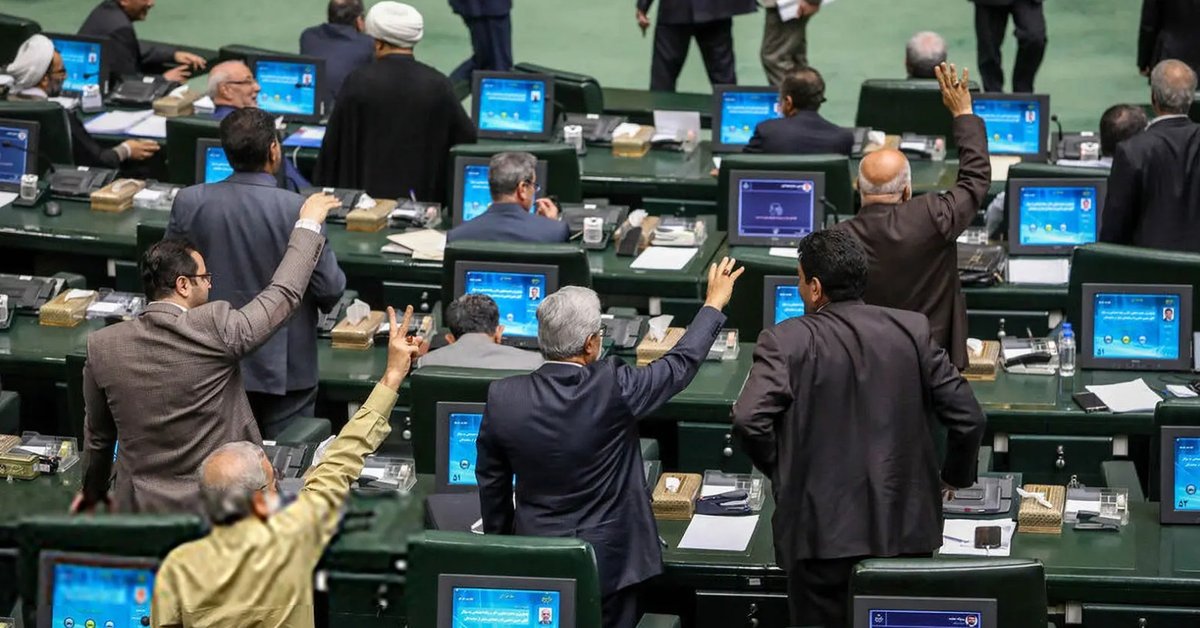
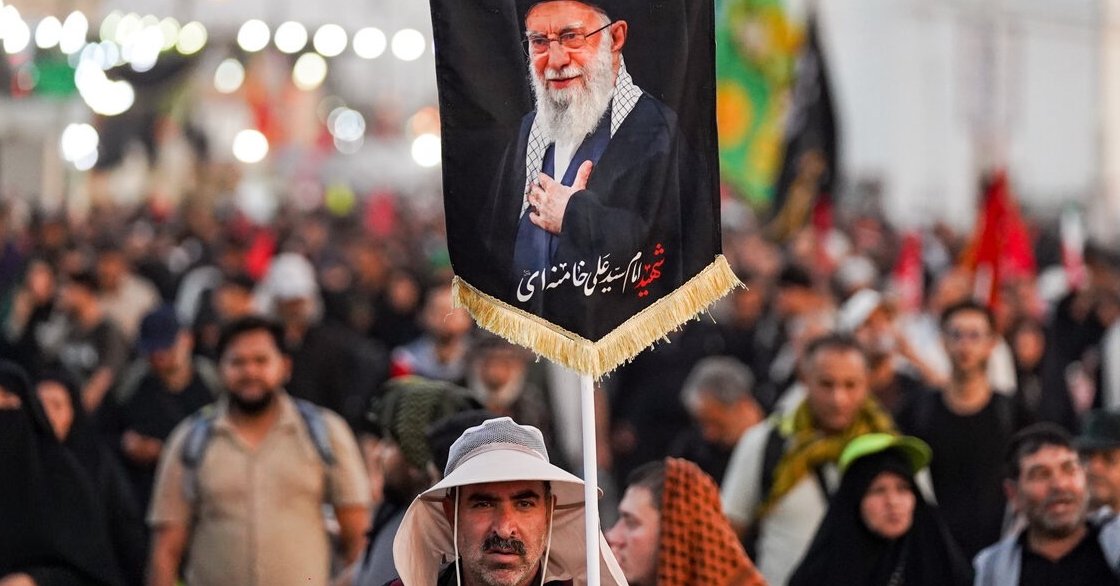
Iran's parliament is reviewing a bill that requires the government to pay €50 million to any individual or entity that kills US President Donald Trump in retaliation for the killing of Iran's leader and commanders, a senior lawmaker said on Thursday.
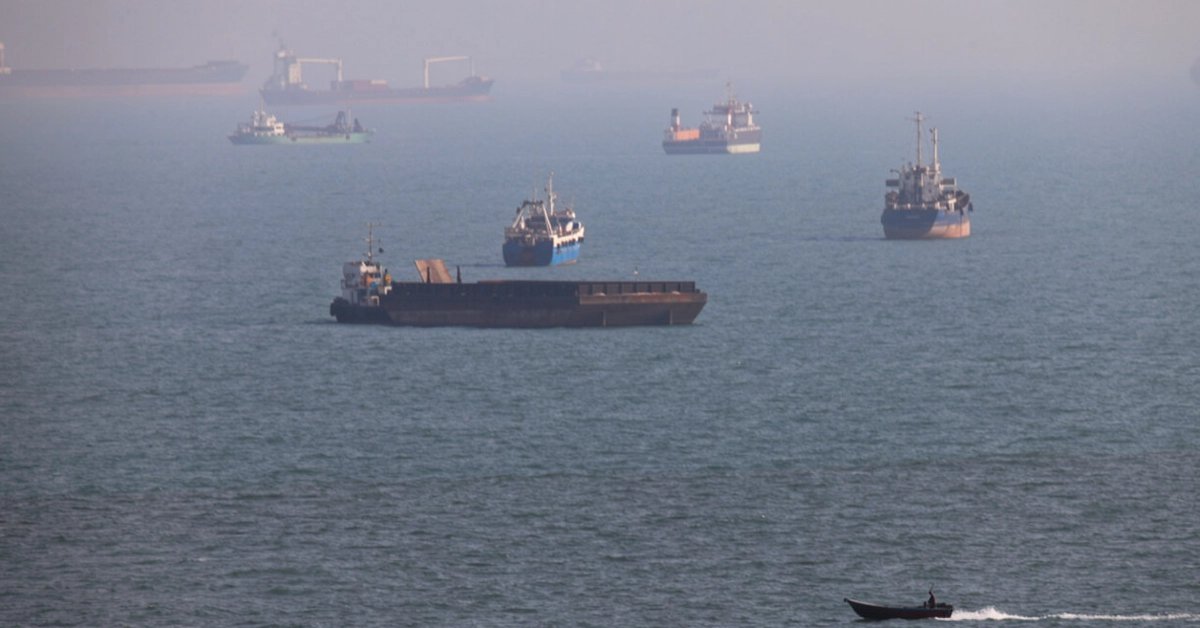
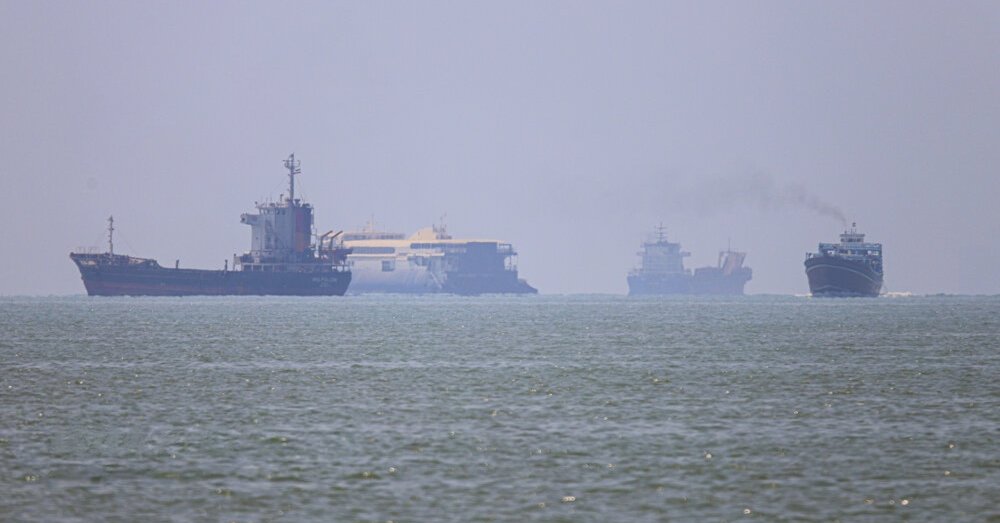
Countries should pay Iran annual fees for fiber-optic cables that pass beneath the Strait of Hormuz, an Iranian lawmaker said, saying that hundreds of billions of dollars in financial transactions move through the lines each day.
Iran’s foreign minister accused the United Arab Emirates on Thursday of direct involvement in military operations against Iran, escalating Tehran’s criticism of regional states during a BRICS meeting in New Delhi.
Iran sought to rally BRICS countries against US and Israeli military action on Thursday, casting the regional conflict as resistance to American power as concerns over maritime security and energy disruption dominated the bloc’s foreign ministers meeting in New Delhi.
Iranian former diplomats and political analysts struck a pessimistic tone in Wednesday’s media ahead of Donald Trump’s talks with Chinese President Xi Jinping, warning of renewed escalation and portraying China as central to any Iran-US settlement.
Ahead of Donald Trump’s arrival in Beijing, Iranian officials rejected suggestions that US pressure could weaken Iran-China ties amid growing speculation over a possible Chinese mediation role in the Iran conflict.
Iran is increasingly looking to China not just as an economic partner, but as the only major power capable of offering credible guarantees in both the Persian Gulf and any future agreement between Tehran and Washington.
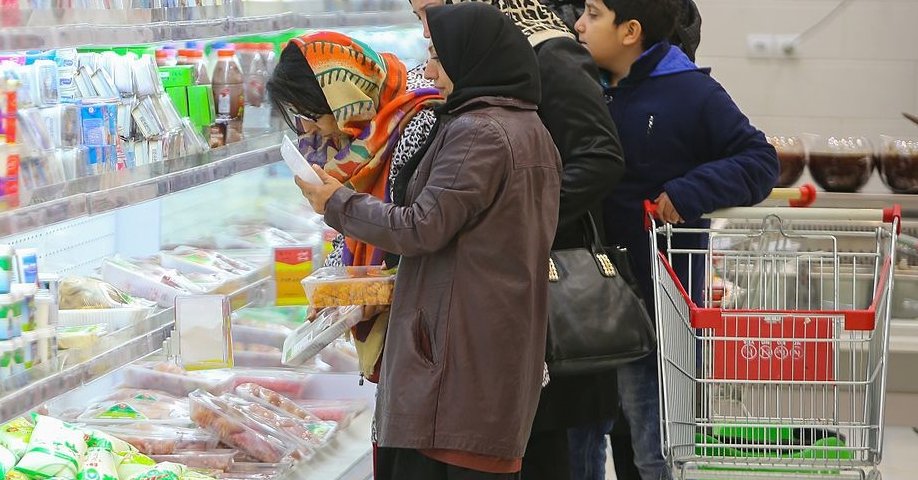
As prices continue to soar across Iran, hardline clerics and pro-government figures are increasingly attempting to shift blame away from the state even as economic pressure deepens for ordinary citizens.
Iran described its latest proposal to the United States as “reasonable and generous” on Monday and said Tehran’s immediate priority remained ending the war rather than deciding the future of its nuclear program.
Israeli Prime Minister Benjamin Netanyahu said on Sunday it was possible Iran’s leadership could eventually be toppled, though he stopped short of predicting such an outcome
The relationship between the Taliban and Iran, once marked by military confrontation and nearly pushed to war, is now defined by caution and quiet engagement.
As tensions escalate in the Middle East, critics say Canada’s “values-based realism” has left Ottawa a passive observer rather than an influential middle power confronting Iran’s threats and regional crises.