Washington DC [US], August 1 (ANI): US President Donald Trump has dismissed reports attributing a recent cyberattack on Minnesota's water infrastructure to Iran, placing the blame instead on state leadership and Democratic Governor Tim Walz. Speaking at a Cabinet meeting at the Camp David presidential retreat in Maryland, Trump rejected findings by intelligence agencies and state authorities.
Qatar welcomes Hamas’s acceptance of draft peace deal Qatari Prime Minister and Foreign Minister Sheikh Mohammed bin Abdulrahman bin Jassim Al Thani told the head of Hamas political bureau, Khalil al-Hayya, that he welcomed the decision to accept a roadmap for implementing the second stage of the ceasefire, Al Jazeera reported. According to the Qatari foreign ministry, Sheikh Mohammed said in a phone call to al-Hayya that he hopes that by accepting the roadmap, it will put an end to the “suffering of the brotherly Palestinian people in the Strip”. “Achieving their aspirations for security and stability, and emphasising in this context the necessity for the international community to fulfil its responsibilities, press Israel to comply with its obligations under the agreement, and stop its ongoing violations of the rights of the Palestinian people,” he said.
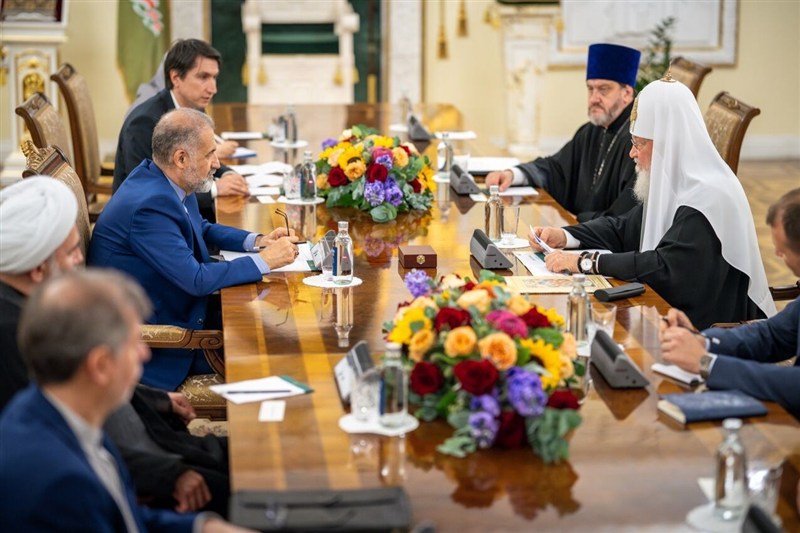
TEHRAN (Tasnim) – Patriarch Kirill of Moscow thanked Leader of the Islamic Revolution Ayatollah Seyed Mojtaba Khamenei for his message, expressing hope for peace and security in the region and voicing support for closer religious and cultural cooperation between Iran and Russia.
Hamas will 'remain an integral part of Palestinian national fabric' Hamas official Ghazi Hamad has told Al Jazeera that the group will “remain an integral part of the Palestinian national fabric" and that their agreement to disarm was made “under exceptional, difficult and harsh circumstances". Hamad added that the group will “continue to shoulder its national responsibilities and duties in pursuit of the legitimate rights of the Palestinian people".
‘Suspicious deal’: US efforts to reunify Libya’s institutions face growing resistance Submitted by Driss Rejichi on Fri, 07/31/2026 - 09:40 Mounting opposition to the rival leaders backed by Washington, the Dbeibah and Haftar families, has fuelled distrust of American envoy Massad Boulos’s initiative Mohamed Menfi (right), president of the Libyan Presidential Council, receives US envoy Massad Boulos, in Tripoli on 23 July 2025 (Libya Presidency Office/Reuters) Off One month after what may have been the most significant diplomatic mission to Libya since taking charge of the country, US envoy Massad Boulos continues to raise questions about Washington’s objectives. Earlier this month, the senior adviser to Donald Trump on Arab and Middle Eastern Affairs met dozens of Libyan officials across the country's rival factions during a diplomatic tour that was widely expected to pave the way for major announcements. After meeting with their inner circles in Malta on 6 July, Boulos held face-to-face talks with Libya's rival leaders: Prime Minister Abdul Hamid Dbeibah in Tripoli on 7 July, and Field Marshal Khalifa Haftar in Benghazi the following day.
Muslim Council of Britain asks government to explain non-engagement policy Submitted by Imran Mulla on Thu, 07/30/2026 - 14:34 MCB praises new Burnham's record but accuses security minister of repeating 'unsubstantiated allegations' British Prime Minister Andy Burnham delivers a speech as he visits social care organisation Jewish Care in London on 29 July (AFP) Off The Muslim Council of Britain (MCB) has accused Security Minister Dan Jarvis of repeating an "unsubstantiated allegation" against it to justify why Andy Burnham 's government refuses to engage with the organisation. Speaking to Middle East Eye on Thursday, the MCB praised Prime Minister Burnham, who has previously engaged with the organisation, saying he "has a strong record of engaging honestly with communities across this country" and it hoped "that record continues now that he is in Downing Street". The MCB, which the government refuses to engage with, is the largest umbrella body representing British Muslim organisations, with more than 500 affiliates.
Lebanese elites have a long history of courting Zionism Submitted by Hicham Safieddine on Wed, 07/29/2026 - 18:02 Banker Antoun Sehnaoui's controversial dinner with Netanyahu this week is only the latest manifestation of an ongoing process Antoun Sehnaoui (with back to camera) hosts a dinner, with Israeli Prime Minister Benjamin Netanyahu and his family in attendance, on 27 July 2026 (Barak Ravid/X) On During his visit to Washington last week, Lebanese President Joseph Aoun called for ending the state of hostility between Lebanon and Israel “forever” . He embraced counterinsurgency rather than liberation politics; by identifying sovereignty with disarming non-state actors, rather than freedom from settler-colonialism - and he echoed Zionist claims by situating the root cause of armed resistance in Hezbollah’s religious ideology, rather than Israeli occupation. The promotion of Zionist narratives, and the push for normalisation with the Israeli state, has become widespread in Lebanese media and public discourse.
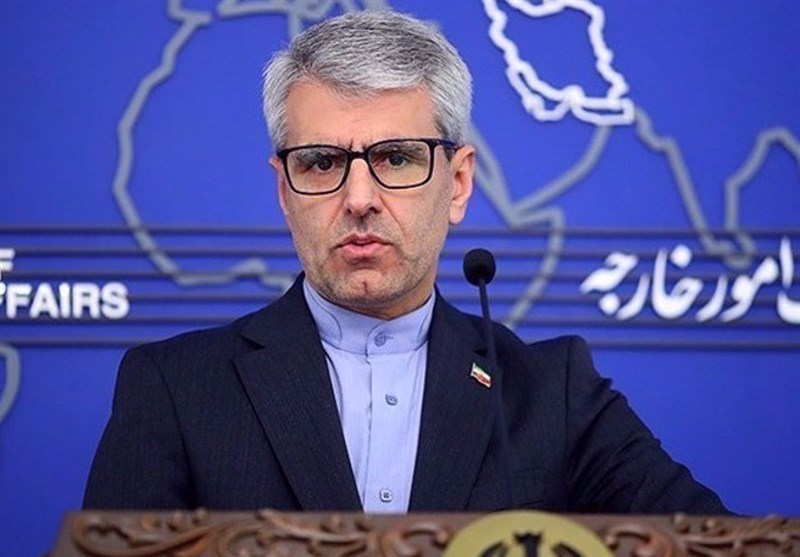
TEHRAN (Tasnim) – Spokesperson for the Iranian Foreign Ministry Esmaeil Baqaei called on the UN secretary-general to explicitly identify the US and the Zionist regime as the principal parties responsible for genocide, war crimes, aggression and the erosion of international law in the Middle East.
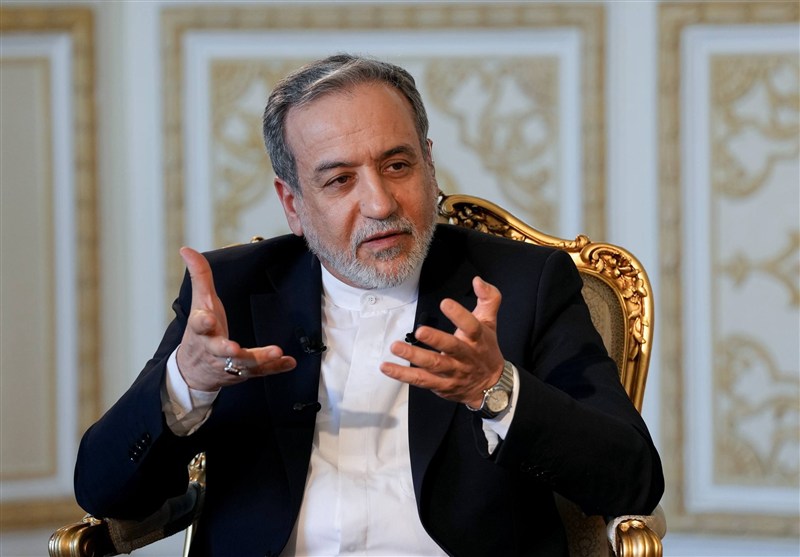
TEHRAN (Tasnim) – Iranian Foreign Minister Abbas Araqchi warned against Israeli false-flag operations aimed at undermining regional peace, rejecting attempts to implicate Iran in a recent drone incident at Egypt's Damietta Port.
The US must be careful about sharing its extraordinary weapon, the president has said US President Donald Trump has cast doubt on whether Washington will allow Ukraine to manufacture Patriot interceptor missiles, despite previously promising to grant Kiev a production license.
Washington, DC [US], July 31 (ANI): Israeli Prime Minister Benjamin Netanyahu has asserted that Israel's special forces remain equipped to intervene should any foreign government attempt to detain him pursuant to the International Criminal Court (ICC) arrest warrant.
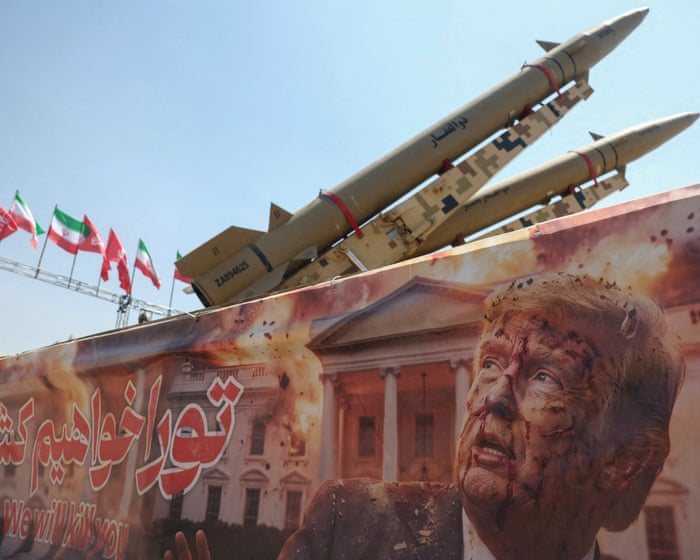
The Middle East crisis marks another step towards a post-Western order The military and political confrontation between the United States and Iran is becoming less a crisis than a permanent feature of the international landscape.
The Middle East crisis marks another step towards a post-Western order The military and political confrontation between the United States and Iran is becoming less a crisis than a permanent feature of the international landscape.
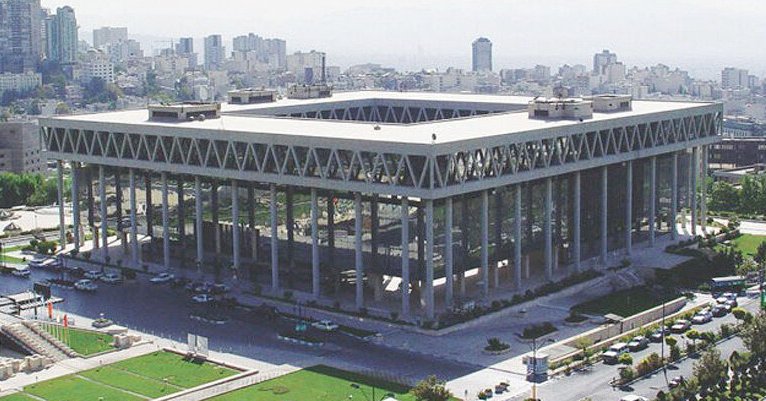
Iran's state broadcaster has ignored a formal order from its own watchdog to stop censoring senior officials, highlighting the gap between the country's formal institutions and where authority is exercised in practice.
Iran's foreign minister says Egypt's security is of 'utmost importance' Iranian Foreign Minister Abbas Araghchi said on Thursday that Egypt's security is of "utmost importance" to the Islamic Republic. "Egypt is an important friend and partner in the region, and its security is of utmost importance to us," Araghchi posted on X. His comments come after a drone attack targeted vessels at Egypt's Damietta port, raising fears of the Iran war widening to a new front.
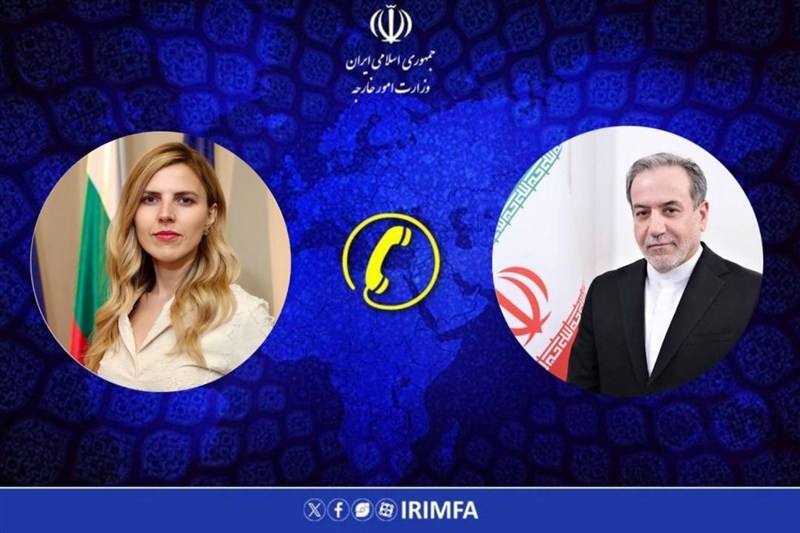
Iran’s foreign minister presses European counterparts over bases used in US operations Iranian Foreign Minister Abbas Araghchi urged Bulgaria to reconsider its decision to allow the temporary deployment of US military aircraft at Bezmer Air Base, Iranian state media reported on Thursday. In a phone call with his Bulgarian counterpart, Velislava Petrova-Chamova, Araghchi said Sofia’s approval of a US request to station aircraft at the base in support of military operations amounted to facilitating aggression against Iran. He described the move as unacceptable and contrary to the traditionally friendly relations between the two countries.
Government fears social discontent on ‘most important battlefield’ of economy and livelihoods as war takes its toll amid anti-state dissent Iran, in the midst of an escalating five-month war with the US, continues to stumble from one internal crisis to another – whether it is over public executions, the rising cost of living, the alleged bias of the state broadcaster or even the post-midnight destruction of pavements outside liberal-leaning Tehran cafes. Very little that happens in Iran, cultural or political, momentous or trivial, does so uncontested. But there is now a growing threat of a long diplomatic deadlock, forged by mutual distrust in which neither side believes the other will stick to any agreement.
TEHRAN (Tasnim) – Iranian Foreign Minister Abbas Araqchi reminded his Bulgarian counterpart that allowing US military aircraft to use a Bulgarian air base in support of military operations against Iran constitutes participation in aggression, urging Sofia to urgently reconsider its decision.