The US naval blockade of Iran is entering an opaque phase, with early signs of impact emerging through both buyer hesitation and deceptive shipping practices, rather than direct naval confrontations.
Washington DC [US] April 15 (ANI): Against the backdrop of escalating geopolitical tensions, the US Treasury Department on Wednesday said it does not intend to extend a temporary relaxation of sanctions on Iranian oil that was introduced to cushion war-driven supply disruptions.
The US Treasury has warned banks in the Middle East and East Asia to halt Iran-linked transactions or face potential sanctions, signaling a stepped-up enforcement push targeting the financial networks that move Tehran’s oil revenues.
Iran may opt to abide by US blockade in hopes of a deal, experts say The US blockade on Iran is a “short-term tool” that could be tested by China and ultimately backfire on the US if energy markets lose their cautious faith in the Trump administration’s willingness to strike a peace deal with Iran. Cutting off Iranian oil shipments should, in theory, lead to a spike in energy prices because Iran was the last country to send oil through the Strait of Hormuz, with exports reaching as high as 1. 5 million barrels per day.
Iran may opt to abide by US blockade in hopes of a deal, experts say Submitted by Sean Mathews on Tue, 04/14/2026 - 19:47 If Iran concedes to the US blockade of its oil exports, it could signal that Tehran sees a bigger ceasefire deal is at hand Cargo ships in the Gulf, near the Strait of Hormuz, as seen from northern Ras al-Khaimah in the UAE amid the US-Israeli war on Iran, on 11 March 2026 (Reuters) Off The US blockade on Iran is a “short-term tool” that could be tested by China and ultimately backfire on the US if energy markets lose their cautious faith in the Trump administration’s willingness to strike a peace deal with Iran. Cutting off Iranian oil shipments should, in theory, lead to a spike in energy prices because Iran was the last country to send oil through the Strait of Hormuz, with exports reaching as high as 1. 5 million barrels per day.
LPG shortage from Iran war fuels labour exodus from major Indian cities For the past several days, 30-year-old Raj Kumar has been struggling to feed his family of four due to a shortage of Liquefied Petroleum Gas (LPG) in India's capital, New Delhi. The gas, a mixture of propane and butane, is widely used as a primary cooking fuel in millions of Indian households, making a stable supply critical. "It is hard to stay here anymore.
LPG shortage from Iran war fuels labour exodus from major Indian cities Submitted by Mohsin Shah on Mon, 04/13/2026 - 17:41 The Indian government denies there is a reverse migration of labour, but long queues at railway stations tell a different story Migrant workers queue behind a rope barrier on a railway platform as they wait to board a train bound for Bihar, India (Mohsin Shah/MEE) Off For the past several days, 30-year-old Raj Kumar has been struggling to feed his family of four due to a shortage of Liquefied Petroleum Gas (LPG) in India's capital, New Delhi. For weeks, he's been trying to secure some LPG to keep his kitchen running. However, fuel prices in the city have increased.
European countries are rolling out a mix of tax cuts, price caps, subsidies and regulations to shield households and businesses from surging energy costs. However, risks to growth and inflation are likely to rise if the Strait of Hormuz crisis remains unresolved. BERLIN, April 14 (Xinhua) -- Germany on Monday announced a temporary fuel tax cut worth around 1.
The idea that Iran could generate tens of billions of dollars annually by charging ships to pass through the Strait of Hormuz has gained traction in media commentary, but the claim does not withstand scrutiny.
UN raises alarm about Iran war causing fertiliser shortages for developing countries Fertiliser shortages due to the blockage on the Strait of Hormuz are a pressing concern for developing countries, the head of the United Nations trade agency warned on Tuesday. Executive Director of the International Trade Centre (ITC) Pamela Coke-Hamilton told Reuters that, while oil and gas could be secured from other sources, “the more immediate issue is fertiliser, because that then affects food security and food security is always the basis for security. ” Coke-Hamilton noted that a third of global urea (fertiliser) passes through the Strait of Hormuz, which is being blocked by both Iran and the US, causing issues for the next harvest yields as the planting window is being missed now.
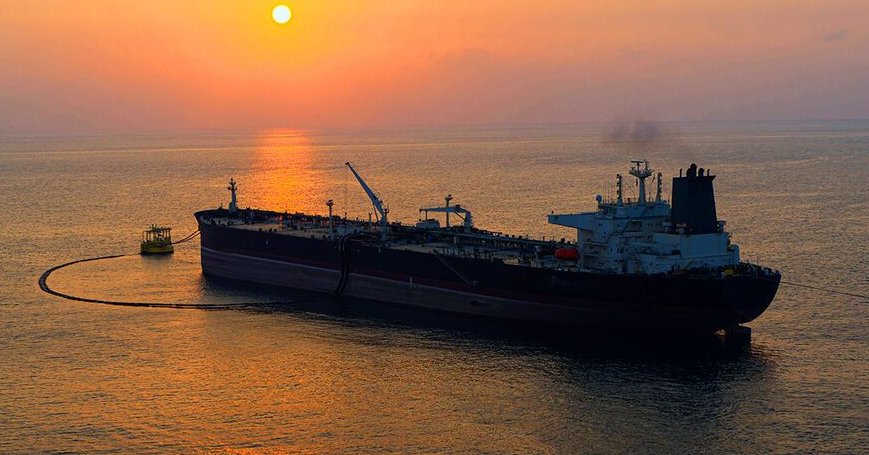
The US blockade of ships using Iranian ports has come into force but several Iran-linked tankers have passed through the strait of Hormuz since it began. The blockade is designed to put pressure on Iran, whose economy is dependent on oil and gas exports. It comes after peace talks between Washington and Tehran at the weekend ended without a deal.
The US blockade of ships using Iranian ports has come into force but several Iran-linked tankers have passed through the strait of Hormuz since it began. The blockade is designed to put pressure on Iran, whose economy is dependent on oil and gas exports. It comes after peace talks between Washington and Tehran at the weekend ended without a deal.
The US has announced a blockade of Iranian oil-linked shipping, tightening pressure on already constrained Middle Eastern exports The US has tightened its grip on energy exports from the Persian Gulf with a new naval blockade on Iranian supplies, risking fresh shocks to already fragile global markets.
The US has announced a blockade of Iranian oil-linked shipping, tightening pressure on already constrained Middle Eastern exports The US has tightened its grip on energy exports from the Persian Gulf with a new naval blockade on Iranian supplies, risking fresh shocks to already fragile global markets.
The United States moved to impose a naval blockade on Iran just as the country’s oil exports were surging to their highest levels in years, underscoring Washington’s effort to halt a wartime boom in Tehran’s energy revenues.
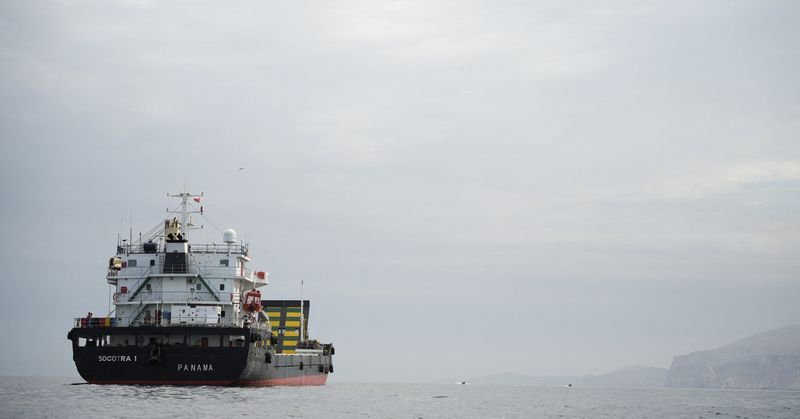
Ships linked to Iran are reported to have transited the Strait of Hormuz on April 14, the first full day of aUS naval blockadetargeting vessels "entering or departing Iranian ports and coastal areas.