Lipstick on the IRGC: why Ghalibaf must not be rebranded as a pragmatist
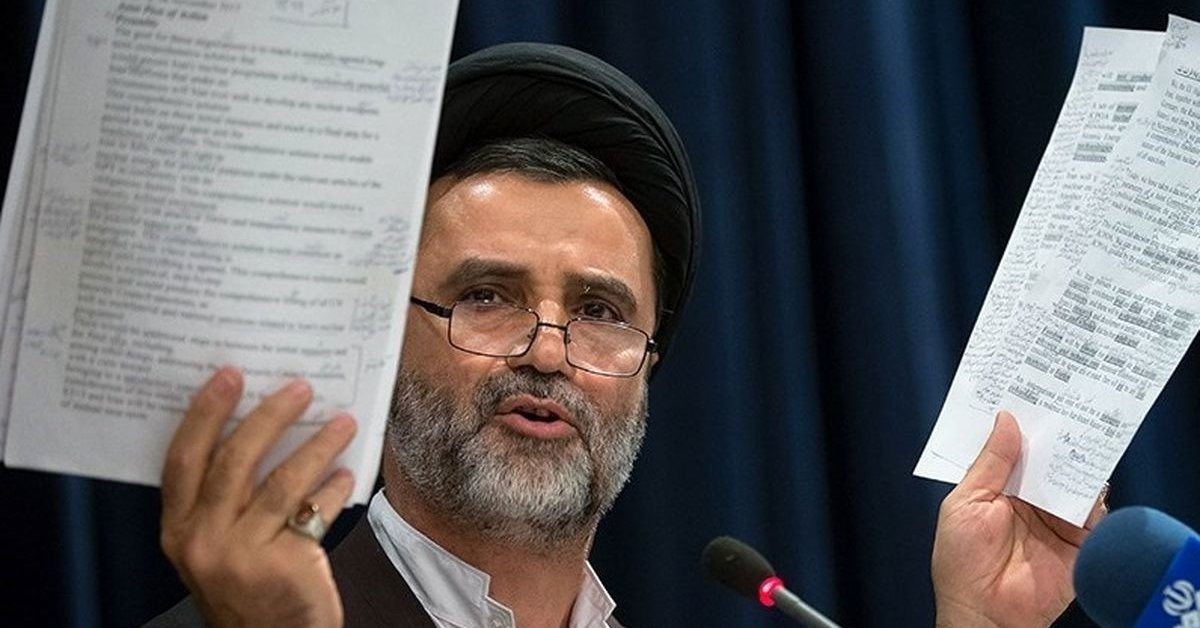
Mohammad Bagher Ghalibaf may soon be called a pragmatist. That would be a mistake.
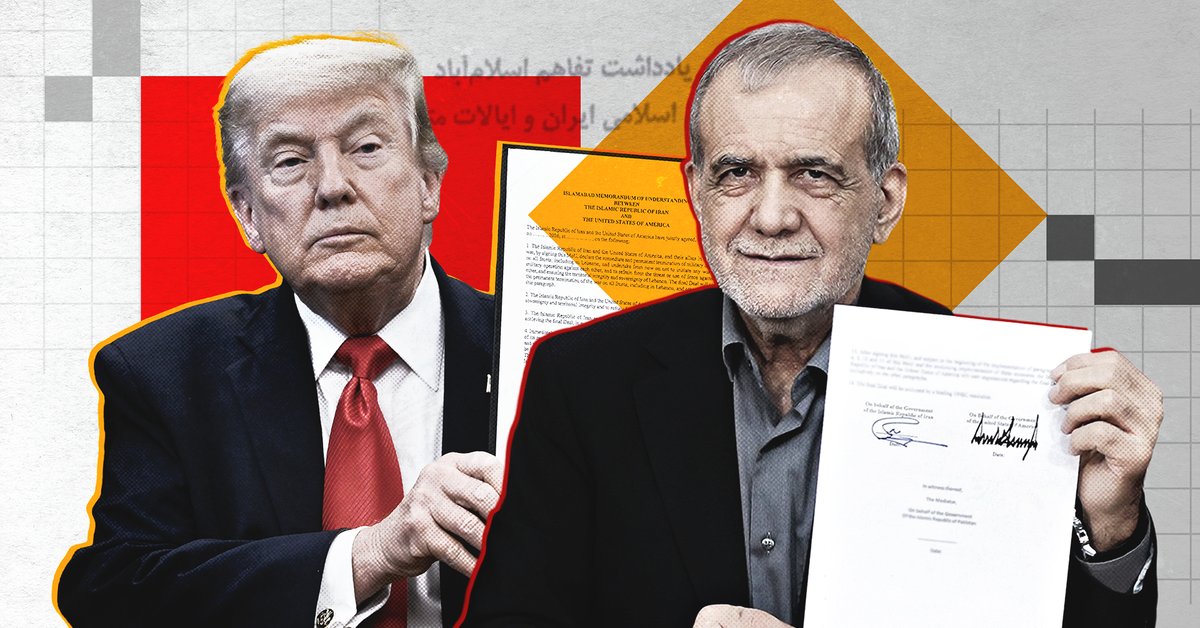
President Donald Trump said Tuesday that Tehran had offeredWashington a “very significant prize” related to oil and gas, expressing optimism that a deal to end the conflict could be possible.
Iranian officials and commentators are increasingly portraying control of the Strait of Hormuz not just as a strategic advantage but as a financial asset that could help offset the costs of war.
Pakistan has offered to host talks between the United States and Iran aimed at ending a war that has rattled global energy markets. Here’s why Islamabad is involved—and whether it could work.
In history, authoritarian systems usually fall twice: first psychologically, when fear breaks; then politically, when the men with guns hesitate. Iran’s recent shocks look less like a single crisis than a classic collapse sequence unfolding at speed.
Ambiguous reports of contacts between US and Iranian officials may reflect a tactical effort to calm markets, shape global opinion and deepen uncertainty inside a state already gripped by paranoia, analysts and former US officials told Iran International.
Whether real or not, President Donald Trump’s statement that Iran has reached out for talks is already having an impact: fueling mistrust within Tehran leadership while easing tensions in global oil markets, even as Iranian officials deny any such contact.
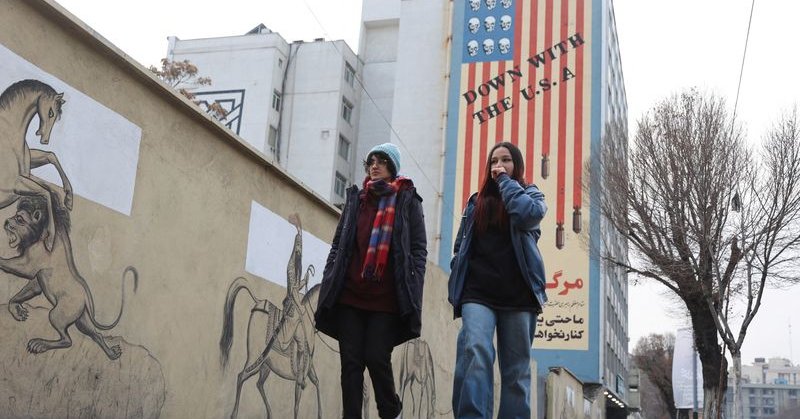
Since Donald Trump threatened to target Iran’s power plants, anxiety has surged among Iranians at home and abroad, many warning that this directly targets people’s lives, not the government.
Revolutionary Guard Aerospace Force commander Majid Mousavi has come under criticism from senior IRGC officials for being absent during ongoing clashes and leaving his forces without leadership, sources with knowledge of the matter told Iran International.