Is Iran entering its Gorbachev moment?
The idea of an “Iranian Gorbachev” has surfaced before in the Islamic Republic, but this time the conditions may be different.
Iranian authorities have stepped up pressure on families of those killed in January protests, defacing, destroying or covering graves with cement in the northern city of Rasht and the capital Tehran, local sources told Iran International.
Apparent divisions over negotiations with the United States may have strengthened the most confrontational elements within Iran’s political landscape and facilitated the rise of new hardline actors.
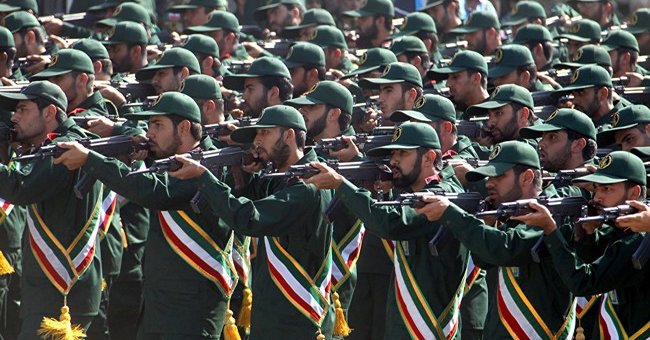
Pink missiles, pink drones and pink firearms. Women with uncovered hair—braids, ponytails, short bobs—stood beside weapons, waved flags and smiled for cameras in scenes broadcast across Iranian media. Tehran appears willing to try almost anything to preserve power.
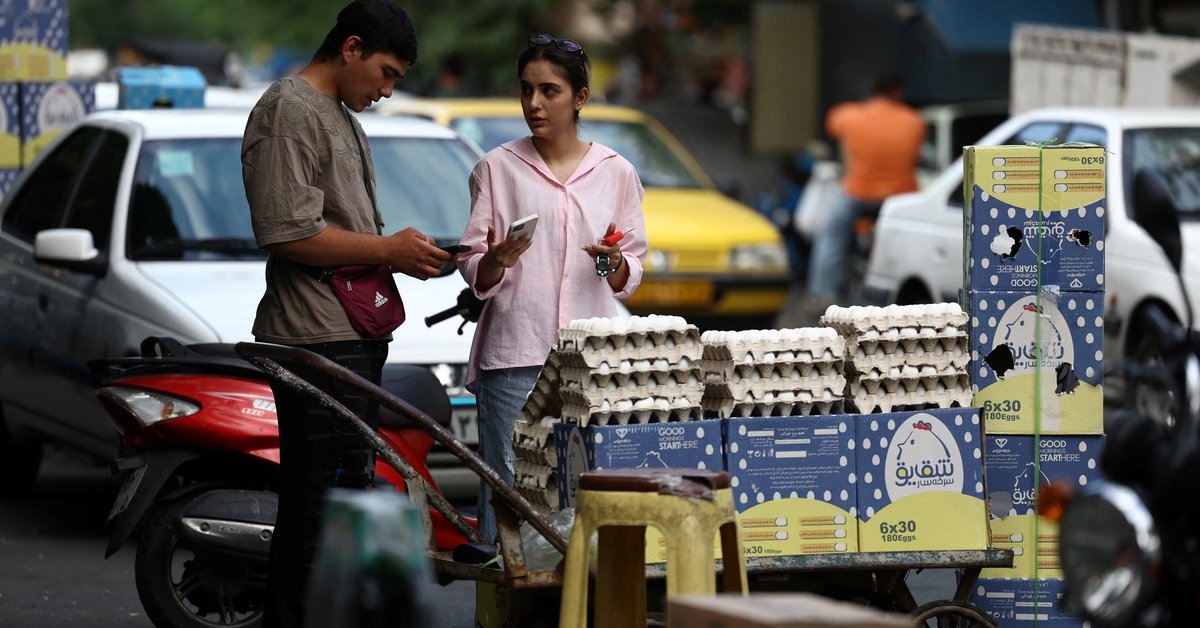
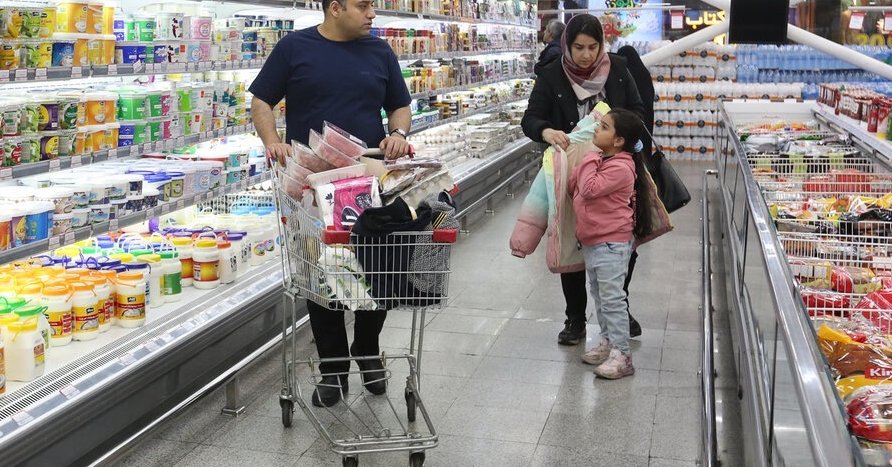
Bread shortages and steep price hikes are undermining access to a key staple for many in Iran, with citizen accounts received by Iran International describing long lines, flour shortages and prices far exceeding official rates.
Iran said on Monday it had not yet decided whether to join a second round of talks with the United States, even as Pakistan prepared to host a US delegation, with Tehran accusing Washington of violating the ceasefire and showing no real seriousness about diplomacy.
The Iranian government has stepped back from earlier promises to compensate homeowners whose properties were destroyed in US-Israeli strikes, triggering anger among residents who expected the state to take responsibility for rebuilding.
One hundred days after protests erupted across Iran in January 2026, the events still stand out as one of the most widespread and violent protest waves the country has seen in recent years.
One hundred days after protests erupted across Iran in January 2026, the events continue to reveal something fundamental about Iranian society: many people now fear silence more than they fear protest.
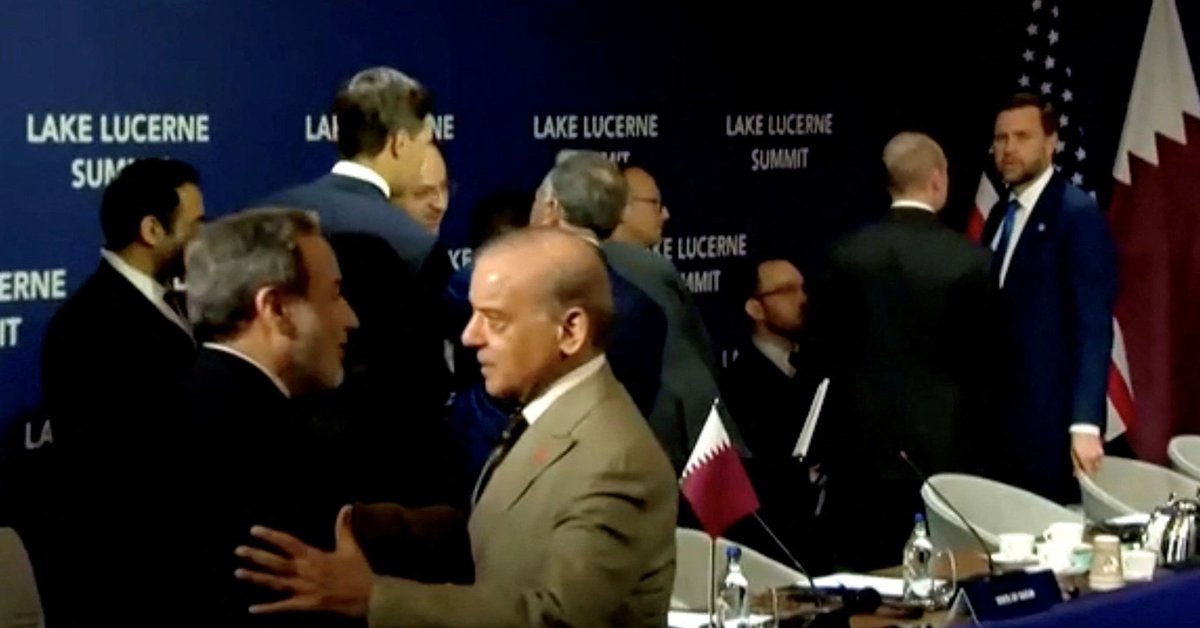
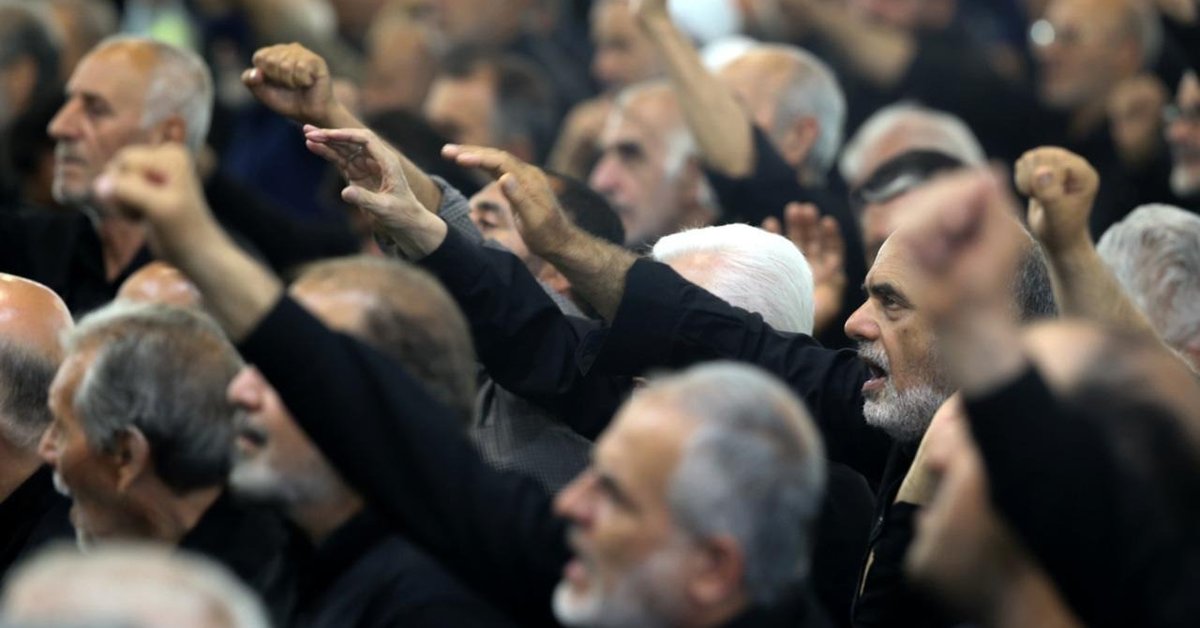
Iran’s lead negotiator and parliament speaker Mohammad-Bagher Ghalibaf defended indirect talks with the United States in a televised interview Saturday after hardline critics accused him of “betrayal” and even hinted at a “coup” over the negotiations in Islamabad.
Despite deep political turmoil, economic distress, militant violence, and a fraying security landscape at home, Pakistan has unexpectedly emerged as the publicly acknowledged central mediator between Washington and Tehran.
One hundred days after one of the deadliest crackdowns in modern history, Iran remains suspended between grief and uncertainty, with a fractured public mood as some see justice in recent blows to the regime, while others feel left behind with it still in place.
One hundred days after thousands of protesters were massacred on January 8 and 9, Iran's already fragile economy has sharply deteriorated, with millions feared to be unemployed as a devastating war compounds the crisis and accelerates economic collapse.
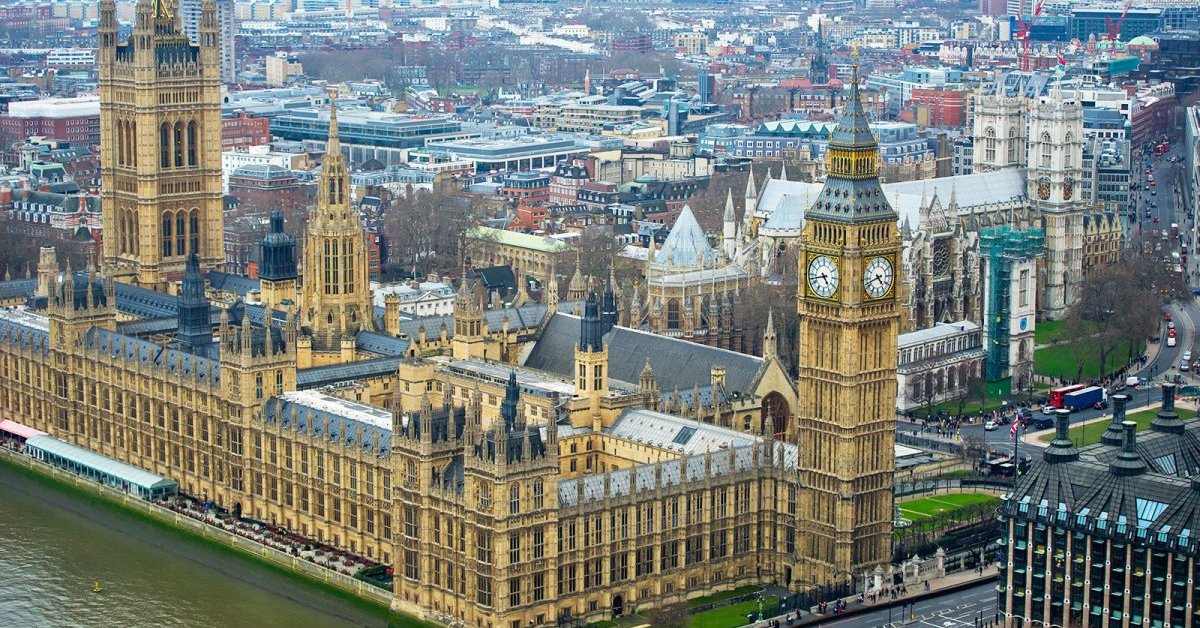
Iran International has received reports that an Iranian man was violently assaulted in central London. The Metropolitan Police are understood to be investigating.
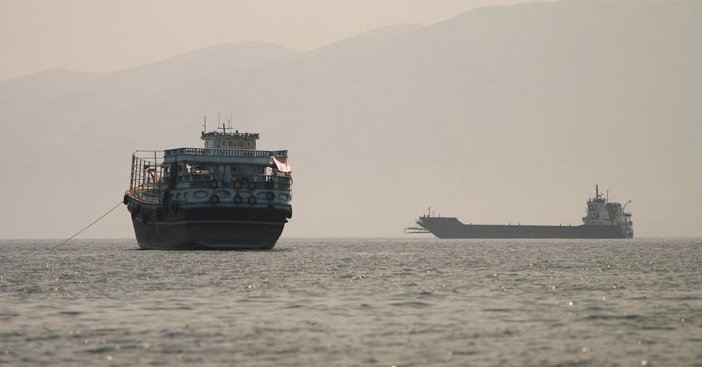
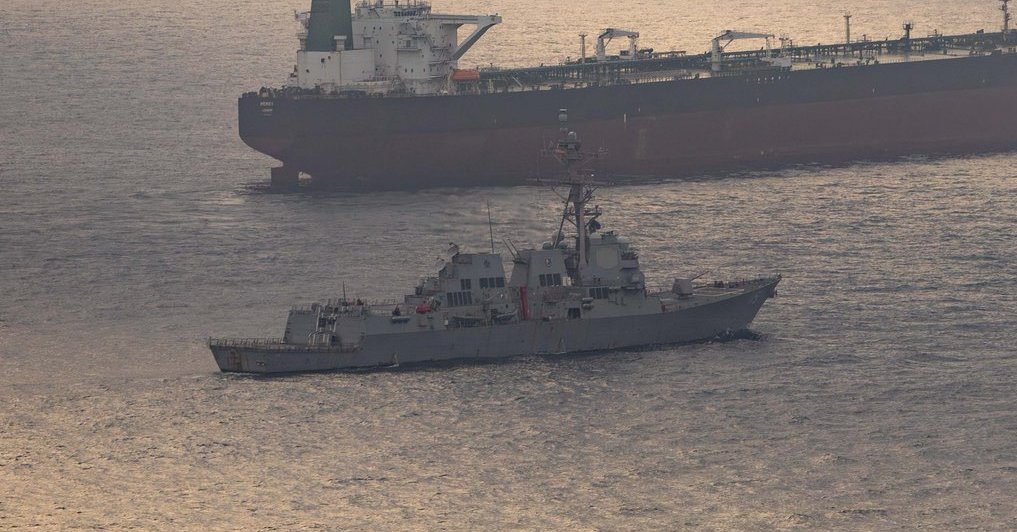
Two vessels, including an Indian-flagged supertanker, were forced back out of the Strait of Hormuz on Saturday after being approached by Iranian Revolutionary Guards’ naval units, shipping monitor TankerTrackers said.
For decades the IRGC relied on its ability to threaten closure of the Strait of Hormuz as its premier economic shield and golden get out of jail card.
As Washington signals that a deal with Tehran may be close, a central question remains unresolved: who, if anyone, is actually winning?
Media outlets affiliated with the Islamic Revolutionary Guard Corps (IRGC) issued rare and sharply worded criticism of Foreign Minister Abbas Araghchi and Iran’s negotiating team after he announced the reopening of the Strait of Hormuz on X.
British police on Friday have charged three people over an attempted arson attack near the London offices of Iran International.
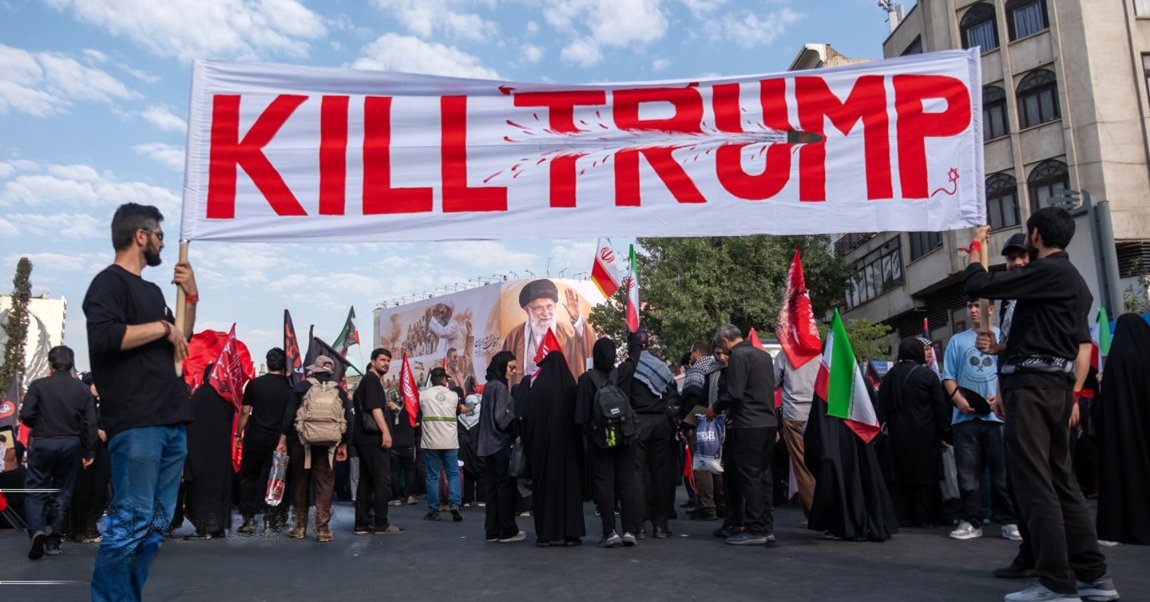
The screening of a concert video by a Lebanese female singer at a pro-government rally in Iran has drawn unusual attention for appearing to cross two of the Islamic Republic’s long-standing cultural taboos: women’s solo singing and compulsory hijab.