Man who attacked nun on CCTV in Jerusalem acquitted on grounds of mental health
A Jerusalem court said the Jewish attacker was having a psychotic episode when he assaulted the nun, in an incident which caused outrage.
A Jerusalem court said the Jewish attacker was having a psychotic episode when he assaulted the nun, in an incident which caused outrage.
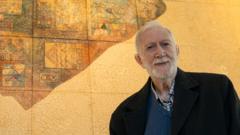
The 79-year-old was best known for paintings depicting the Palestinian landscape and cultural scenes featuring Palestinian symbols of identity.
It marks the shutting of the last of the Palestinian refugee agency's facilities in the sector of the city, after Israel passed a law against it.
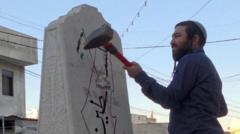
Zvi Sukkot's actions have drawn widespread condemnation, including from Israeli Prime Minister Benjamin Netanyahu.
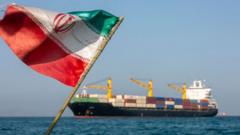
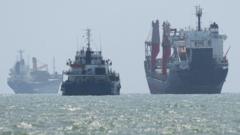
Iran has closed the vital waterway since the beginning of the conflict causing wild fluctuations in oil prices worldwide.
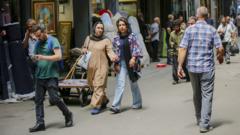
Iran is no stranger to US sanctions and has developed deep economic ties with several countries.
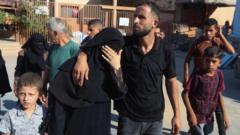
An Israeli strike on Monday killed a four-year-old boy, while a 10-year-old girl was hit by a bullet inside her tent, according to medics and relatives.
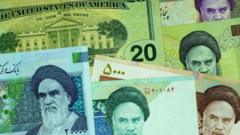
Washington announced what it described as an "economic D-Day" against Iran, widening current sanctions and targetting countries with business ties with the regime.
The US says new sanctions ar an "economic D-Day", but Tehran's leaders have survived restrictions before.
The US has threatened to isolate nations that continue to do business with Tehran, which sells much of its oil to Beijing.
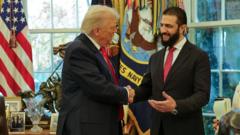
The Trump administration has embraced Syria's new president, former al-Qaeda linked militant Ahmed al-Sharaa.
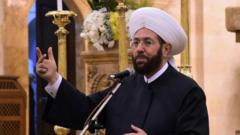
Ahmed Hassoun was convicted of crimes including inciting civil war and complicity in intentional killing.
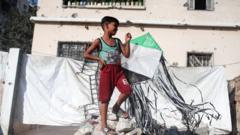
Hamas says the kites found in Israeli border communities in recent days were launched by children in Gaza.
Scott Bessent says the US will sever all economic ties with the country and that any nation partnering with Iran financially will also be isolated.
The latest incident comes days after reports emerged Israel had struck a military airbase close to the Turkish border.
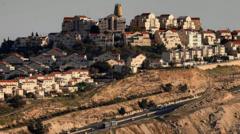
There has been a significant expansion of building and road construction on Palestinian land occupied by Israel in recent years.
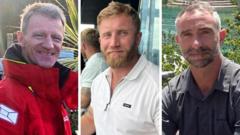
Seven World Central Kitchen workers were killed in the Israeli strike on their convoy in 2024.
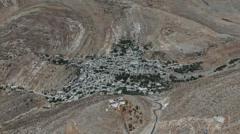
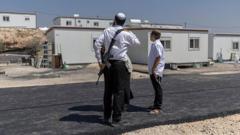
Thirty "pioneer families" have arrived on a wave of nationalism driven by Israel's government, but the rapid change has left nearby Palestinian residents fearful.
The US treasury secretary says allies will need to decide whether they "are with us or against us".
European countries and Canada pile on pressure over Israel's plans to expand settlements in a strategically vital part of the occupied West Bank.